

Yesterday’s post asked what Tuesday’s election results might mean for the Supreme Court. Today’s bonus post turns to the lower federal courts, which have been carrying most of the weight of Trump-related litigation since January 2025—and which, as of January 3, 2027, will no longer be the only institution doing so.
The bottom line is a bit counterintuitive: For the next two years, the lower courts are likely to face more Trump-related cases (outside the immigration detention context, anyway, where whatever the Supreme Court rules in Barbosa da Cunha should slow down the flood), stranger cases, and fewer (if any) new colleagues. But the threat that has hung over lower-court judges for the better part of two years—that the political branches would join forces to punish them for doing their jobs—just got a whole lot emptier. And that will be one of the election’s most important near-term effects for the judiciary.
At the Federalist Society’s national convention last November, then-Deputy Attorney General Todd Blanche said more than once that the Justice Department was at “war” with “rogue activist judges” on the federal district courts. It was a startling thing for the second-ranking official at DOJ to say out loud. But it was also, in its own way, a backhanded compliment. Blanche was complaining, and other administration officials have regularly complained, because the district courts have been the one institution that the administration has not been able to bend to its will—and that has been at least somewhat effective in checking the more lawless impulses of the executive branch.
As my forthcoming Harvard Law Review Foreword documents, the numbers bear this out both with respect to the overall volume of rulings adverse to the Trump administration and the diversity of the judges who have been responsible for those rulings. Even though a majority of Trump-related lawsuits (again, excluding immigration detention cases) have been filed in the same five district courts, the reality is that hundreds of judges appointed by presidents of both parties (including plenty appointed by President Trump), sitting in dozens of district courts across the country, have issued coercive relief against this administration. And although the Supreme Court has paused an unprecedented number of those lower-court decisions through the emergency docket, the denominator (of total rulings against Trump initiatives) still swamps that numerator.
And yet, for all of the individual rulings adverse to the Trump administration, the lower courts were never in a position to actually prevail in a sustained campaign against the executive branch. They could slow things down. They could build records. They could say, often in remarkably blunt terms, what the law required. But in addition to the Supreme Court’s own role in neutering the lower-court rulings in some of those cases, the administration’s compliance with the orders that survived appellate review has been, to put it charitably, uneven.
Earlier this year, then-Chief Judge Patrick Schiltz in Minnesota documented 210 violations of court orders in 143 immigration cases—in the first two months of 2026 alone. And the Justice Department has regularly escalated from nasty rhetoric against these judges to concrete motions, including ones seeking to disqualify Judge Schiltz, Judge Ana Reyes, and others, and misconduct complaints against Reyes, D.D.C. Chief Judge James E. Boasberg, and all but one of the active judges in the District of Minnesota (none of those complaints have gone anywhere).
Congress followed suit, with Republican members placing “WANTED” posters outside their offices with pictures of judges who ruled against the administration; with the Senate Judiciary Committee holding a bizarre and fact-free hearing on alleged misconduct by two district judges (even though the Constitution reserves the impeachment power to the House); and with impeachment resolutions targeting 13 different district judges (compared to one such resolution over the preceding 15 years). And all of that has helped to provoke an unprecedented number of threats against lower-court judges—not just to the lower courts as an institution, but to individual judges’ personal safety.
In short, the district courts have been under siege—even as they have been instrumental in standing up for the rule of law by fighting a classic rear-guard action. Unlike Blanche, they haven’t been trying to win a “war,” but rather just trying to hold the line in the hope that reinforcements would eventually be on their way.
Thanks to Tuesday’s election results, those reinforcements are coming—in the form of a House of Representatives and Senate that will be just as interested in checking the executive branch, both directly and indirectly; far more willing to support the lower courts in the exercise of their authority, including vis-à-vis the Supreme Court; far less likely to attack or undermine lower-court judges for doing their jobs; and rather unlikely to confirm any new judges who have a different view of the role of the federal courts.
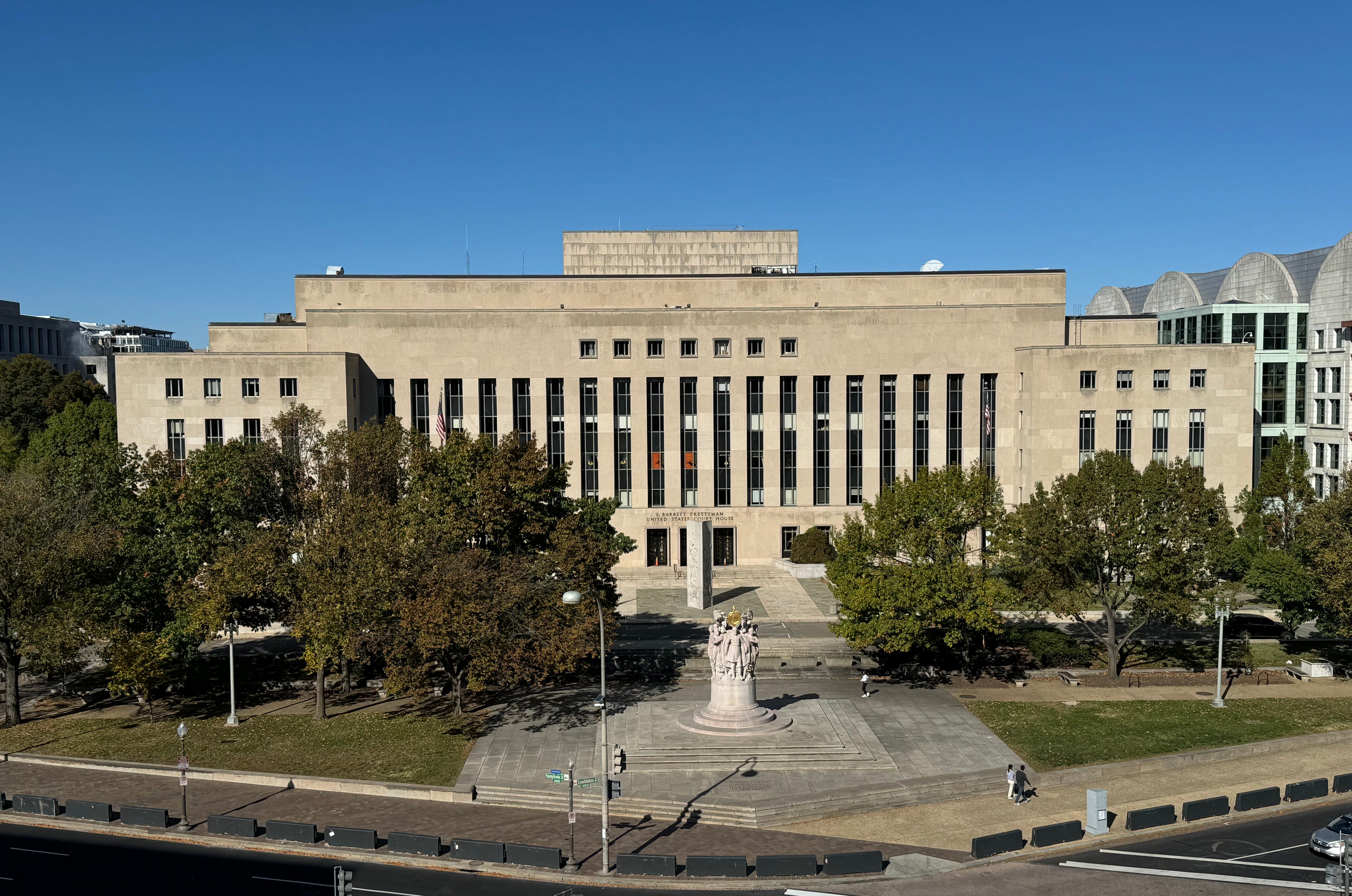
As I explain below the fold, all of this should change the shape and scope of the work of lower courts in at least five different ways. For those who aren’t paid subscribers, we’ll be back no later than Monday with our continuing coverage of the Supreme Court. For those who are, please read on.
